Prince William County Public Schools
Spice up science: Celebrate National Chemistry Week in your kitchen
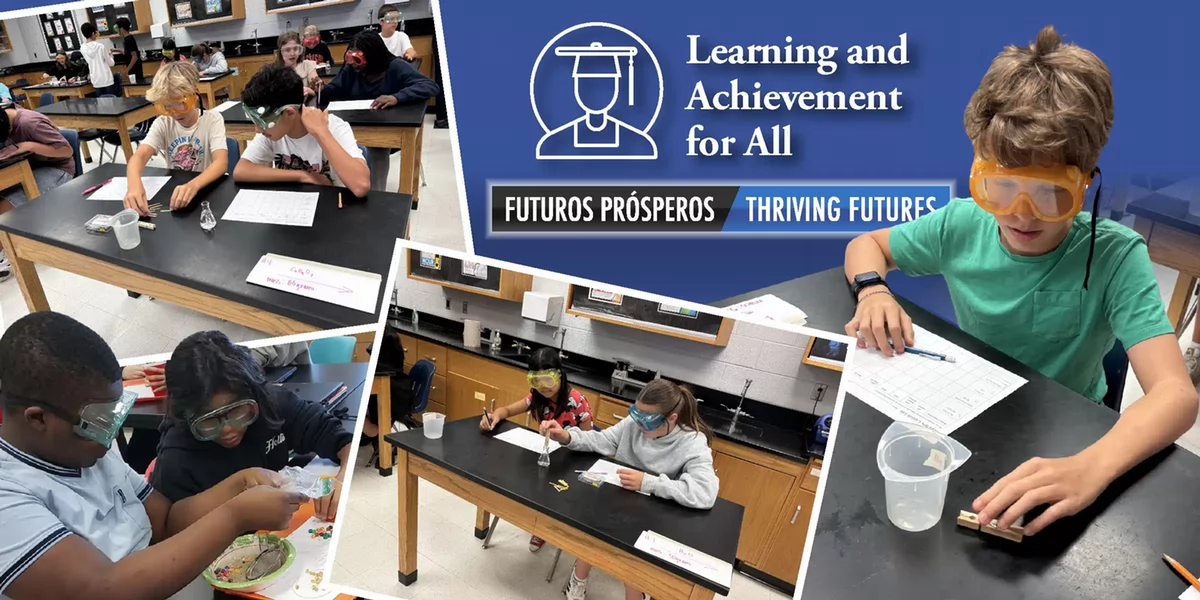
Chemistry is all around us—even in the kitchen. For National Chemistry Week, October 19-25, the theme, “The Hidden Life of Spices,” celebrates the science behind flavor, aroma, and the natural chemicals in the herbs and spices we use every day.
Even ordinary kitchen spices hold extraordinary science and can connect culture, curiosity, and chemistry right at the dinner table.
PWCS encourages families to use this week as a chance to turn cooking into discovery time. Here are some easy ways to explore chemistry through spices at home.
Family Activities
Smell and Tell
Gather three to five spices (like cinnamon, oregano, cloves, pepper). Using the wafting method, a technique for safely detecting the odor of a chemical by using your hand to gently fan the vapors toward your nose, have children smell each spice with eyes closed and guess which is which.
Compare: Which spice was easiest to recognize? Why do you think smells bring back memories?
Colorful Curry Chemistry
Sprinkle turmeric in a small cup of water and add a little baking soda. Watch it change color as the pH changes. Remember those safety glasses!
Observe: Why do you think the color changed? What other foods might change color in recipes?
Cinnamon and Sugar Science
Mix sugar with ground cinnamon and compare how it dissolves in hot versus cold water. Safely heat water by using a clean, safe material container on a stable surface under adult supervision.
Experiment: Which dissolved faster? How might heat change the way flavors spread in cooking?
Pepper Power
Sprinkle black pepper on water in a bowl. Dip a finger with a little dish soap into the bowl and watch the pepper scatter.
Explore: Why did the pepper move away so quickly? What does this say about surface tension?
Family Recipe Chemistry
Pick a favorite family recipe that uses spices. Talk about why those flavors are included—do they add taste, color, or even preserve food?
Investigate: What would the dish taste like without the spices? How do spices make food special?
Share your experiments, discoveries, and reflections with PWCS on our social media channels: PWCS Instagram.