Prince William County Public Schools
Student Health Services

Student Health Services works to promote child and adolescent health and reduce health-related risk behaviors. It is comprised of school nurses, a school health services supervisor, a coordinator, and a medical consultant.
The Role of the School Nurse
The National Association of School Nurses (NASN) defines school nursing as a specialized practice of professional nursing that protects and promotes student health, supports optimal physical and emotional development, and advances academic success. School nurses serve as a critical link between health care and education by coordinating care, addressing health needs during the school day, and advocating for high-quality, student-centered services.
Student Health Services is dedicated to fostering the health and well-being of all children and adolescents and reducing health-related barriers to learning. Our team includes registered professional nurses, a student health services supervisor, coordinators, and a medical consultant who work collaboratively to provide comprehensive health support. Together, they create safe, healthy learning environments; respond to student health needs; promote preventive health practices; and partner with families, staff, and community providers to ensure every student can thrive.
Health Information, Forms & Resources
View important health information, forms, and resources for your student.
Medications at School
Medication cannot be administered to any student without appropriate authorization forms completed and on file. Any medication must be provided in a new, sealed container with the completed authorization form. Students may not transport medication to and from school unless authorized by a healthcare provider to self-carry medication.
In accordance with Code of Virginia § 22.1-274.2 and § 8.01-226.5:1, students diagnosed with asthma, seizure, or anaphylactic reaction may possess and self-administer certain inhaled asthma medications, epinephrine, seizure or other emergency medication, with the appropriate authorization form on file.
Medical Authorization Forms
Management of Allergic Reactions in the School Setting: Administering Epinephrine Auto-Injector - Regulation 757-2
Food allergy and anaphylaxis emergency care plans must be submitted annually at the beginning of each school year, dated after May 1, and whenever modifications are made to this plan.
- Student Allergy History Form (PDF)
- Food Allergy and Anaphylaxis Emergency Care Plan (PDF)
- Authorization to Implement Health Treatment Plan (PDF)
Management of Health Treatment Plans in the School Setting - Regulation 757-3
- Authorization to Implement Health Treatment Plan (PDF)
- Health Treatment Plan Authorization for Specific Medical or Emergency Procedure (PDF)
- Health Treatment Plan Clean Intermittent Catheterization (PDF)
- Tube Feeding Health Treatment Plan (PDF)
- Authorization for Medication Administration (PDF)
- Authorization and Consent for Exchange and Release of Medical Information (PDF)
Management of Medication Administration in the School Setting - Regulation 757-4
- Authorization for Medication Administration (PDF)
- Medication Permission Form for Extended Day/Overnight Field Trips (PDF)
Management of Asthma in the School Setting - Regulation 757-5
Management of Diabetes in the School Setting - Regulation 757-6
Management of Seizures in the School Setting - Regulation 757-7
Management of Cancer in the School Setting Regulation 757-8
Health Requirements
Prince William County Public Schools (PWCS) requires students to meet state immunization and physical examination requirements before attending school.
Virginia law requires all students entering kindergarten through grade 12 to be adequately immunized (Virginia Code § 22.1-271.2).
Virginia law requires students registering for school for the first time in kindergarten through fifth grade to receive a comprehensive physical examination before beginning school (Virginia Code § 22.1-270).
Required Health Forms
The following health forms are required for enrolling a student in Prince William County Public Schools. A school physical is required for all students enrolling in preschool through grade 5.
- Commonwealth of Virginia School Entrance Health Form (PDF)
- Commonwealth of Virginia School Entrance Health Fillable Form (PDF)
- Commonwealth of Virginia School Entrance Health Form - Spanish (PDF) (Mancomunidad de Virginia Formulario de Salud Para El Ingreso Escolar)
- Translations can be found on the Virginia Department of Health School Health Forms webpage
- School Health Entrance Form Instructions (PDF)
Athletics Forms
Visit the PWCS Student Activities and Athletics webpage for detailed information about student participation requirements.
Regulations & Fact Sheets
Health Regulations
- Tuberculosis (TB) Screening Requirements - Regulation 723-4
- Report of Tuberculosis Screening (PDF)
- Report of Tuberculosis Screening and Clearance (PDF)
- Tuberculosis Symptom Assessment (PDF)
- Tuberculosis Symptom Assessment - Arabic (PDF)
- Tuberculosis Symptom Assessment - Chinese (PDF)
- Tuberculosis Symptom Assessment - Farsi/Dari (PDF)
- Tuberculosis Symptom Assessment - Korean (PDF)
- Tuberculosis Symptom Assessment - Pashto (PDF)
- Tuberculosis Symptom Assessment - Spanish (PDF)
- Tuberculosis Symptom Assessment - Urdu (PDF)
- Tuberculosis Symptom Assessment - Vietnamese (PDF)
- Tuberculosis Screening Student Enrollment Form (PDF)
- Physical Examinations - Regulation 723-5
- Immunization Requirements - Regulation 723-6
- Management of Head Lice in the School Setting - Regulation 753-2
- Attachment I: Facts About Head Lice
- Attachment II: Head Lice Prevention and Treatment
- Physical Screenings and Testing - Regulation 756-1
- Management of Allergic Reactions in the School Setting - Regulation 757-2
- Management of Students with Health Treatment Plans - Regulation 757- 3
- Management of Medication Administration in the School Setting - Regulation 757-4
- Management of Asthma in the School Setting - Regulation 757-5
- Management of Diabetes in the School Setting - Regulation 757-6
- Management of Epileptic Seizures in the School Setting - Regulation 757-7
- Management of Cancer in the School Setting - Regulation 757-8
Fact Sheets and Other Resources
Health Information for Families
Protecting Student Health
- Cold & Flu - PWCS webpage
- Take Three Actions to Protect Against Flu - Centers for Disease Control and Prevention
- PWCS Wellness Plan
Information on Diabetes
- PWCS Cares for Students with Diabetes
- Diabetes Information for Parents (PDF)
- Prediabetes and Diabetes webpage
Information on Eating Disorders
- What are Eating Disorders? - National Eating Disorders Association (NEDA)
- Screening Tool
- Warning Signs and Symptoms
- What are Eating Disorders? (PDF)
- ¿Qué es un Trastorno Alimenticio? Español (PDF)
Links
Additional Information
School Health Advisory Board
The purpose of the School Health Advisory Board (SHAB) is to advise the school division on broad topics or on specific aspects of the coordinated school health program. Areas of concern include, but are not limited to: mental health, school nutrition, health education, health services, acute and chronic medical conditions, physical education, staff wellness, school climate, dropout prevention, school safety, violence prevention, drug and alcohol prevention, and family life education.
SHAB provides guidance and serves to advocate school health concerns. SHAB assists with the development of health policy in the school division and the evaluation of the status of school health, health education, the school environment, and health services. SHAB will hold meetings at least quarterly and report annually on the status and needs of student health in the school division to any relevant school, the School Board, the Virginia Department of Health, and the Virginia Department of Education.
School Nurse Services
What Services Does the School Nurse Provide?
School nurses play a critical role in supporting the health, wellness, and academic success of students nationwide.
They address critical healthcare needs, ensuring that students can thrive in the classroom and beyond. The challenges students face today—from chronic illnesses to mental health struggles—demand comprehensive, accessible care, which school nurses uniquely provide. With over 25% of students managing chronic conditions such as asthma, diabetes, and epilepsy, the presence of a school nurse ensures these children can thrive in a safe and supportive environment.
School nurses are responsible for the health of children by, including, but not limited to:
- Assessing the severity of illness or injury in students.
- Distributing medications to student that is provided and approved by their parents and healthcare providers.
- Caring for students with chronic conditions such as diabetes, epilepsy/seizures, asthma, allergies/anaphylaxis, and others.
- Ensuring all students are up to date on their vaccinations/immunizations.
- Directing the provision of health services within the school.
- Screening students for vision, hearing, and other potential health issues.
- Preventing and controlling the spread of communicable diseases.
- Connecting students and their families to relevant health resources.
- Providing mental health support to students in need.
- Collecting health data in schools to provide to local, state, and national officials.
- Promotion of overall school community health through education and wellness initiatives.
School Staff Training
Code of Virginia Training Required for School Staff
CPR/First Aid/AED: Per Code of Virginia § 22.1-274, each school board shall ensure that in school buildings with an instructional and administrative staff of 10 or more at least three employees have current certification or training in emergency first aid, cardiopulmonary resuscitation, and the use of an automated external defibrillator.
Administration of Medication: This course supports the PWCS Strategic Plan by promoting a caring, safe, and healthy teaching, learning, and working environment that values human diversity. It is designed for PWCS staff members who are designated by their school principals to be trained in the safe administration of medication. Attendees must complete the full program to be considered trained. Successful completion equips staff with the knowledge and skills necessary to safely support students who require medication during the school day. After the initial training, a school nurse will provide a one‑hour annual refresher session for two consecutive years. Thereafter, designated staff members must complete a refresher course every three years. Legal reference: Chapter 881, Code of Virginia, § 55.1‑3408, M.
Insulin & Glucagon Training: This course supports the PWCS Strategic Plan by fostering a caring, safe, and healthy teaching, learning, and working environment that values human diversity. It is designed for PWCS staff members designated by their school principals to receive training in the safe administration of insulin and glucagon for students with diabetes. Attendees are required to complete the full program to be considered trained. Successful completion ensures staff are equipped with the skills necessary to recognize diabetic emergencies and provide appropriate care during the school day. Following initial certification, a school nurse will provide a one‑hour annual refresher training for two consecutive years. Afterward, designated staff members must complete a refresher course every three years. Legal reference: Code of Virginia § 22.1‑274, Part E
Learn if your family is eligible for health coverage through FAMIS
Qualifying students and families can receive Medicaid and FAMIS low-cost or no-cost health insurance.
How sick is too sick for school?
Now Hiring School Nurses

Are you that nurse with strong critical thinking skills, that can work autonomously in a fast-paced environment, and has a collaborative spirit? If so, come join our PWCS School Nurse Family.
All Nursing Backgrounds Welcomed!
Prince William County Public Schools (PWCS) does not discriminate in employment nor in the provision of educational programs, services, and activities, nor tolerate bullying or harassment, on the basis of race, color, religion, national origin (including shared ancestry and ethnic characteristics), sex, gender identity, sexual orientation, pregnancy, childbirth or related medical conditions including lactation, age, marital or parental status, veteran status, disability, genetic information, or any other basis prohibited by law.
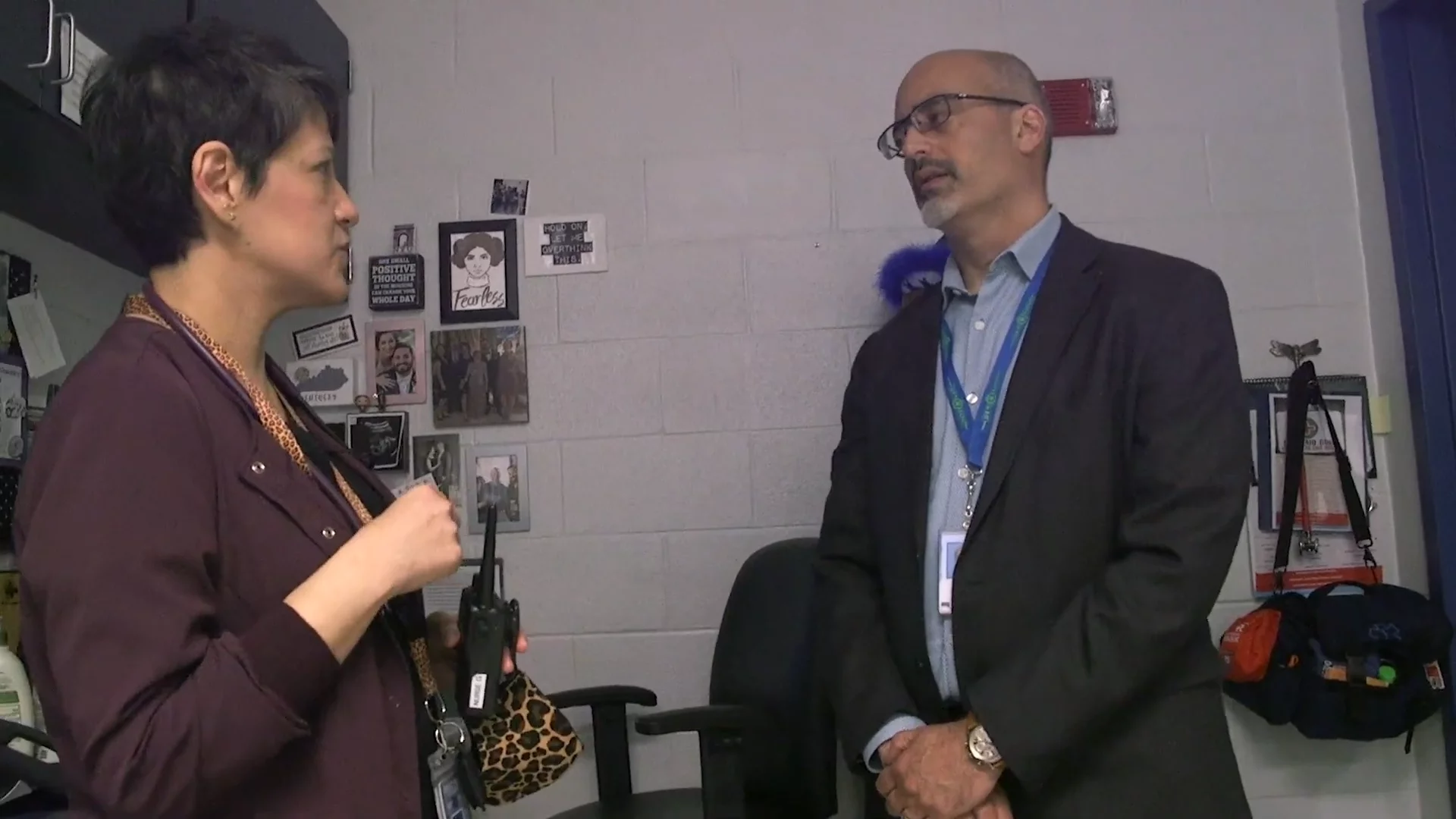
We Love Our PWCS School Nurses!
Contact Us
-
Brenda Miller-Dorick
Supervisor of Student Health Services -
Connie Meade
Administrative Coordinator -
Cindi Sutton
Administrative Coordinator -
Donna Knepp
Nurse on Special Assignment (Homebound) -
Biatrís Gonzalez
Administrative Assistant