Prince William County Public Schools
Cold and Flu Prevention
Protect Yourself Against Illness and Reduce the Spread of Viruses in PWCS Schools
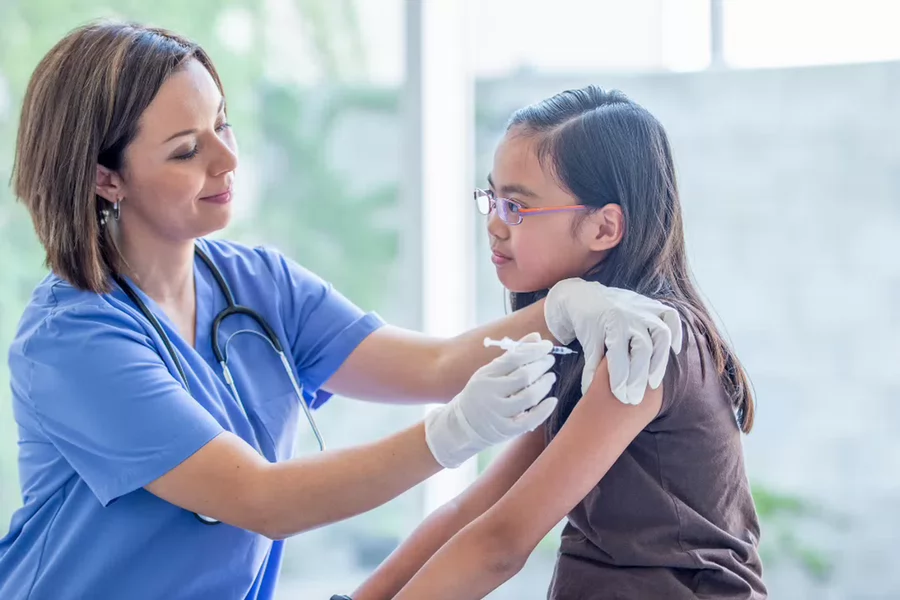
As we enter the fall and winter respiratory illness season, Student Health Services reminds families of the importance of healthy habits that help reduce the spread of respiratory viruses, including influenza and other common seasonal illnesses.
According to the Virginia Department of Health, annual flu vaccination remains the most effective way to protect yourself and your family from the flu and its potentially serious complications. Flu vaccination is recommended for everyone ages six months and older.
COVID-19 vaccination is still available and may be recommended for certain individuals based on age, health conditions, and personal risk factors, following the Centers for Disease Control and Prevention’s 2025-26 shared clinical decision-making model. Individuals should consult their healthcare provider to determine whether vaccination is appropriate for themselves or their children.
All PWCS families are encouraged to continue the practice of maintaining healthy behaviors necessary during any cold and flu season. These include, but are not limited to:
- Cover your mouth and nose with a tissue when coughing or sneezing and throw used tissues in the trash.
- No tissue—cough or sneeze into your elbow—not your hands.
- Wash your hands often with soap and water for 20 seconds. Use an alcohol-based hand sanitizer if soap and water are not available.
- Avoid touching your eyes, nose, and mouth to prevent the spread of germs.
- Dry your hands with a paper towel and use the paper towel to turn off the faucet.
- Hand sanitizers may also be used to perform hand hygiene when soap and water are not available.
- Clean and disinfect frequently touched surfaces and objects, such as toys and doorknobs, especially if someone is sick.
- Remember to stay home when sick for at least 24 hours fever-free (without taking fever-reducing medication).
- These preventive practices support a healthier school community and help maintain consistent student attendance and engagement.