Prince William County Public Schools
Safety Screening Technology
Safety Screening Technology
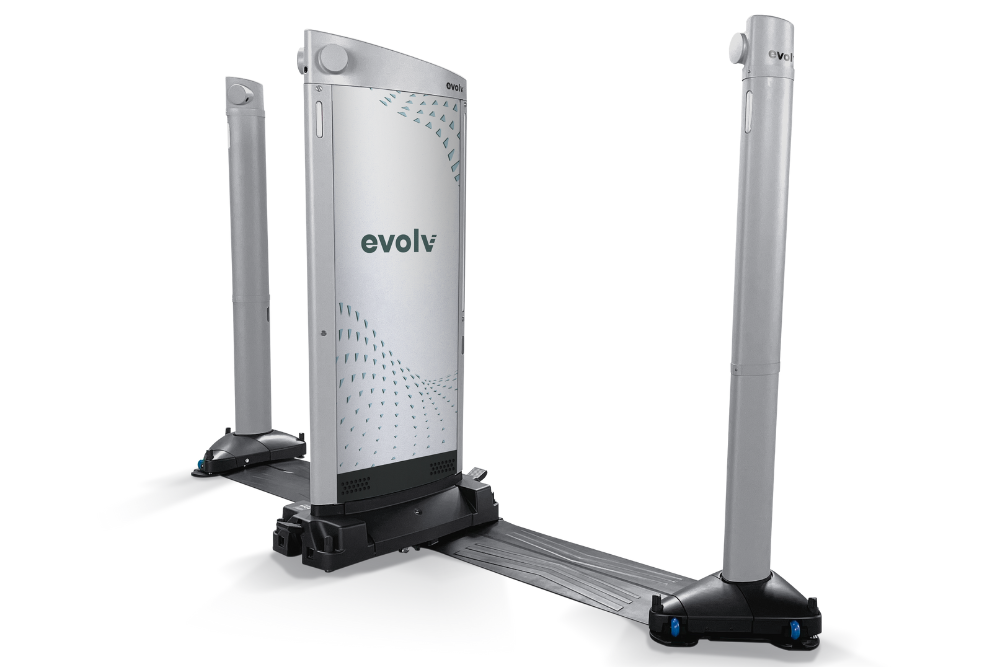
Prince William County Public Schools (PWCS) has safety screening technology at all high schools and middle schools, including K-8, nontraditional, and traditional schools.
Frequently Asked Questions
- Q: Which PWCS schools have safety screening technology?
-
A: PWCS has implemented safety screening technology at all schools serving middle and high school students, including high, middle, K-8, nontraditional, and traditional schools.
This decision was based on several factors, including the unique security needs and considerations at different grade levels, with the ultimate determination that an effective and efficient implementation focused on secondary schools is a suitable measure to enhance safety and security within those settings.
PWCS is committed to providing a safe and welcoming learning environment for all students and staff. We continue to evaluate security measures and welcome feedback.
Currently, there are no plans for implementation at elementary schools. PWCS may explore additional initiatives or technologies in the future to address the specific needs of elementary schools.
- Q: Does PWCS use safety screening technology during extracurricular and sporting events during the evenings and weekends?
-
A: As part of our ongoing commitment to ensuring a safe and secure environment for our students, families, and staff, PWCS will use our safety screening technology at high school varsity football and boys basketball games.
Safety screening technology provides an additional layer of security to identify potential threats quickly.
PWCS may use this technology randomly at other events during the school year.
As a reminder, there is a no bag policy for attendees of sporting events.
- Q: How does Evolv safety screening technology work?
-
A: Evolv uses AI-driven systems that detect threats as individuals pass through the screening lanes when they enter school buildings. The systems are designed to detect weapons and other prohibited items based on sensitivity settings, on an individual’s person or in their belongings. Evolv systems are continuously updated and calibrated to adapt to evolving threats and technologies.
Any prohibited items detected will initiate a discreet alert, so as not to alarm nearby students, for system operators to take appropriate action.
- Q: Does safety screening technology slow the entry process?
-
A: These systems are designed to provide fast and efficient screening of multiple people at the same time, allowing for a natural flow of entry.
- Q: Can a group of more than three students pass through the safety screening technology lanes at the same time, and will it detect if one or more of the students has a prohibited item?
-
A: The safety screening technology is designed to detect weapons and other prohibited items on an individual’s person, whether they pass through the lanes individually or in a group. The system can detect and differentiate prohibited items on one or more individuals at the same time. This capability ensures that if more than one individual within a group is carrying a prohibited item, system operators will receive an alert.
- Q: Has the efficacy of Evolv safety screening technology been independently reviewed?
-
A: Evolv has undergone independent evaluation and received recognition for its effectiveness in enhancing security measures. It has been awarded the U.S. Department of Homeland Security SAFETY Act Designation as a Qualified Anti-Terrorism Technology. This designation signifies that Evolv meets the stringent criteria set by the DHS and has been recognized as an effective tool in combating potential security threats.
- Q: Who will monitor the safety screening technology?
-
A: School security, administrators, and voluntary instructional and noninstructional staff will monitor and operate the safety screening technology. Instructional and noninstructional volunteers arrive 45 minutes before the bell time and receive a stipend for their commitment.
Designated staff will receive specific training on how to operate the safety screening technology, resolve false alerts, determine the need for and conduct secondary screenings, and follow protocols if a prohibited item is found.
- Q: What is secondary screening and when does it happen?
-
A: If the system detects a prohibited item on an individual’s person or in their belongings, operators will direct the individual to another area, away from the screening lanes, to conduct a secondary screening.
Secondary screenings are an additional level of screening involving a more detailed inspection of an individual or their belongings and may include using a handheld device or a physical pat-down to detect prohibited items to ensure a safe and secure learning environment.
- Q: Who conducts the secondary screening?
-
A: Secondary screenings are conducted by school security and other designated staff, who have been trained to manage these situations with discretion, respect, and professionalism to ensure the privacy and dignity of the individuals while prioritizing safety and security.
- Q: How sensitive will the settings be on the safety screening technology system?
-
A: Sensitivity settings will be decided through a collaborative process between PWCS and Evolv, with careful consideration of the division’s specific needs and requirements to ensure an optimal balance between maintaining security and minimizing false alerts.
Sensitivity levels may be increased for an added layer of safety and enhance the system’s ability to detect weapons and other prohibited items, as well as provide additional peace of mind for the school community.
- Q: What kind of things does the safety screening technology detect?
-
A: The safety screening technology can detect assorted items, including but not limited to knives, firearms, handguns, long guns, and materials and components used to construct an explosive device.
Additionally, the safety screening technology has the capability to enhance overall security measures by detecting ghost guns and 3D-printed guns.
- Q: Will the safety screening technology detect vapes and vape paraphernalia?
-
A: The detection of vapes and vape paraphernalia depends on several factors, including the construction and materials used, in combination with the system's sensitivity settings.
While these systems have the potential to detect certain vapes and may incidentally detect these prohibited items, PWCS focuses its use on weapons detection.
- Q: What if a weapon is in someone’s backpack, bag, or case?
-
A: Evolv safety screening technology can identify weapons and prohibited items that are concealed within an enclosed space, such as a backpack, bag, purse, or case.
- Q: What is the data on false alerts generated by the safety screening technology?
-
A: While these systems are highly accurate, false alerts may occasionally occur. Nine percent of the alerts generated by Evolv systems indicating a prohibited item, upon further inspection, prove to be false.
- Q: How will the school handle any false alerts or mistaken detections by the safety screening technology?
-
A: PWCS has general protocols for alerts, false or otherwise, that have been provided to the schools. Schools may implement additional protocols to meet their specific needs to maintain a safe and secure learning environment.
Staff monitoring the safety screening technology are trained and expected to assess the situation, conduct secondary screenings, as necessary, and take appropriate action to resolve or address the concern.
- Q: What tips do you have to avoid false alerts?
-
A: PWCS has evaluated the common items that create false alerts in Evolv systems and has opted for sensitivity settings to limit false alerts.
Here are some suggestions to avoid false alerts:
- Select clear and plastic school supplies over covered/concealed and metallic when applicable.
- Use three-ring binders with plastic spines/rings (non-metal).
- Utilize plastic (versus metallic) BPA-free water/coffee bottles.
- Use hard plastic eyeglass cases (versus metal).
- Students should “pack light” and limit the number of items in bags or other equipment.
- Keep superfluous metallic items at home (game consoles, beauty products, USB drives).
- Laptops and umbrellas will be passed around the technology via a staffed table.
Note: Exact school supply lists are communicated individually by schools/teachers.
- Q: Will students, staff, and visitors go through the safety screening technology?
-
A: All persons, students, staff, and visitors entering the school building during school academic hours are required to pass through the safety screening technology each day, supporting a safe and secure environment for all.
Each school will have multiple entrances equipped with safety screening technology; however, after the start of the school day, students, staff, and visitors will be directed to a specific entrance equipped with safety screening technology and actively monitored by staff.
- Q: If a class goes outside for instruction, will they be required to reenter through the safety screening technology?
-
A: Students and staff who must exit the school building for outside instruction and return as a group will not typically be required to pass through the screening lanes again. School-specific procedures may vary due to individual school security protocols. It is advisable to verify with the school administration for additional guidelines regarding building reentry.
- Q: Can parents opt out of having their student screened through safety screening technology lanes?
-
A: Implementing safety screening technology is an important security measure to ensure the safety and security of the learning environment for all individuals, and all students are expected to be screened when they enter school buildings. If parents have a specific concern or question regarding the system and their student, they are encouraged to contact the school administration for further discussion.
- Q: Are Evolv systems safe for individuals being scanned?
-
A: Evolv systems use non-invasive and non-ionizing extremely low frequency (ELF), electromagnetic fields to detect prohibited items, without physical contact. These magnetic field bands operate at levels below what is required for federal regulation and enforcement. Evolv has obtained certification based on safety standards set forth by the Institute of Electronics and Electrical Engineers, ensuring the systems meet established safety guidelines and regulations to minimize potential health risks.
There have been no studies of the long-term health impacts of the Evolv systems; however, non-ionizing technology has been extensively studied and deemed safe for individuals being screened regularly. This technology has been used in various security screening applications and devices for several years.
- Q: What kind of data is generated by the safety screening technology?
-
A: Evolv systems are designed to prioritize privacy and data protection and generate and collect real-time data to assess potential threats with a focus on detecting prohibited items. This data serves the secondary purpose for planning, indicating the number of students screened, frequency of alerts, and duration of screening. Types of data generated and collected include:
- Camera data – Correlates with sensor results to provide a comprehensive understanding of the general area of concern; this does not include personal data or detailed images of individuals.
- Metadata – Indicates potential threats and helps security assess and respond to detected concerns.
- Statistical – Provides insights into alert rates and the types of threats detected to identify patterns and trends, allowing security to enhance strategies and response protocols.
- Self-Diagnostics – Monitor system health and calibration, ensuring optimal operation and accurate and reliable threat detection capabilities.
- Q: Where is the data stored?
-
A: Data generated by the safety screening technology is stored locally within the system itself and may be accessed and displayed on the tablet used for monitoring the system. It is not stored in the cloud or any external servers. Using strictly local storage ensures the data remains in PWCS’ control.
As data is stored locally and space may be limited, the safety screening technology follows a first-in, first-out (FIFO) principle, automatically deleting the oldest data as new data is generated, ensuring systems maintain a continuous flow of storage without accumulating unnecessary data.
An additional benefit to local storage is that any images collected for screening purposes may be removed by power cycling the system’s tablet.
- Q: Who can see the data?
-
A: Data can be accessed on the tablet used by operators while monitoring the systems, to address and resolve alerts or concerns raised during the screening process.
Outside of the screening process, access to data is limited to authorized internal staff solely for the intended purpose of operational security planning and analysis, including determining the effectiveness of protocols, making setting adjustments, and improving overall security measures. No data will be shared publicly or with any unauthorized internal or external individuals.
All data is handled with strict confidentiality, following applicable privacy laws and regulations, as well as PWCS policies and regulations.
- Q: Can data from the safety screening technology be used for processing and prosecution if a weapon is found?
-
A: If a weapon is found and law enforcement, such as the police department, becomes involved, data from the safety screening technology may be used for processing and prosecution.
Relevant data, specific to an incident requiring law enforcement intervention, may only be released upon presentation of, and in accordance with a subpoena, to safeguard the privacy and rights of any individuals involved.
- Q: What if someone carries or has an implanted electronic medical device, including hearing aids?
-
A: As the safety screening technology is designed to focus on detecting prohibited items, it is unlikely to detect hearing aids or other medical devices worn or carried by an individual.
Individuals with concerns about carried or implanted medical devices, including cochlear implants, are encouraged to consult with their health care provider for further guidance and personalized advice based on specific medical conditions and devices.
- Q: Can I request alternative screening for my student due to an implanted medical device, including hearing aids?
-
A: PWCS is committed to providing all students and staff with a safe and welcoming learning environment. PWCS has implemented safety screening technology at middle and high schools, including traditional and nontraditional schools. Safety screening technology is designed to focus on detecting prohibited items; it is unlikely to detect hearing aids or other medical devices worn or carried by an individual. Individuals with concerns about electronic medical devices are encouraged to consult with their health care provider on specific medical conditions and devices. Parents/guardians who are requesting an alternative screening method for their student should contact their school principal.
- Q: Can I pass through Evolv systems if I am pregnant?
-
A: Non-ionizing electromagnetic fields used by Evolv systems for common exposures are considered safe for individuals, including pregnant women and their unborn babies.
Individuals with concerns specific to their pregnancy are encouraged to consult with their health care provider for further guidance and personalized advice based on specific medical conditions and devices.